Cide.info Science-Based Insights on Pesticides & Chemistry

Cide.info

Science-Based Insights on Pesticides & Chemistry

Latest Articles

The Testing Gap: Why EPA Approval Protocols May Not Reflect What Happens in America's Fields
Pest Management Science

The Testing Gap: Why EPA Approval Protocols May Not Reflect What Happens in America's Fields

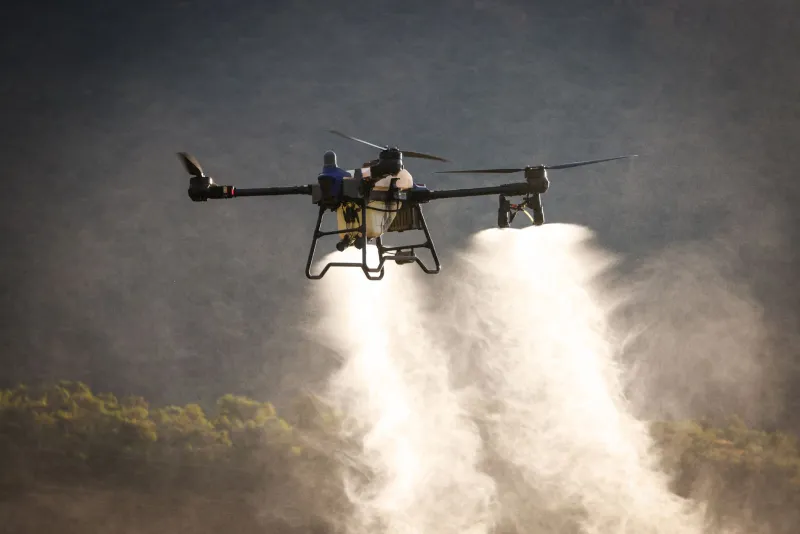
The laboratory models that underpin EPA pesticide approvals are rigorous by design, but the conditions they simulate bear only partial resemblance to the complex, variable environments of working American farms. From tank-mixing to spray timing, a range of common agricultural practices falls outside the boundaries of standard registration testing—raising important questions about the completeness of current safety assessments.

After PFOA: The Scientific and Commercial Scramble to Engineer the Next Generation of Fluorochemical Alternatives
Agricultural Chemistry

After PFOA: The Scientific and Commercial Scramble to Engineer the Next Generation of Fluorochemical Alternatives

As regulatory agencies tighten restrictions on legacy per- and polyfluoroalkyl substances, chemical manufacturers are racing to engineer safer replacements without sacrificing performance. The path forward is complicated by persistent scientific uncertainty, competitive market pressures, and the very real possibility that some alternatives may carry risks of their own.

Molecules on Trial: How Chemical Composition Shapes Pesticide Litigation in American Courts
Agricultural Chemistry

Molecules on Trial: How Chemical Composition Shapes Pesticide Litigation in American Courts

When pesticide manufacturers face lawsuits in US courts, the molecular architecture of their products often becomes the most consequential evidence in the room. From glyphosate to chlorpyrifos, real litigation outcomes have hinged on toxicological data, metabolite pathways, and the chemistry of exposure. This analysis examines how structural chemistry intersects with regulatory science and legal liability.

Beneath the Surface: How Pesticide Chemistry Reshapes the Microbial Communities That Drive Soil Health
Pest Management Science

Beneath the Surface: How Pesticide Chemistry Reshapes the Microbial Communities That Drive Soil Health

Soil is not an inert growing medium — it is a dense, metabolically active ecosystem governed largely by microbial populations that regulate nutrient cycling, organic matter decomposition, and plant disease suppression. Emerging research is forcing agronomists to reckon with an uncomfortable question: are the pesticide choices that protect crops above ground quietly destabilizing the biological infrastructure below it? This investigation examines what the science actually shows.

Agricultural Chemistry

Fields of Uncertainty: Decoding the Science Behind America's Most Controversial Herbicides

From glyphosate to atrazine to 2,4-D, herbicides underpin modern American agriculture — yet public understanding of their actual risk profiles remains muddled by conflicting headlines. This article examines the peer-reviewed evidence on the most widely applied herbicides in US crop production, separating established science from areas where genuine uncertainty persists.

Pest Management Science

The Invisible Arms Race: How Insects Outsmart Pesticides at the Molecular Level

Pesticide resistance is not a failure of chemistry alone — it is evolution operating at the molecular level, driven by selection pressure that humans inadvertently apply every time a spray nozzle opens. Understanding the biochemical mechanisms behind insect adaptation is essential for anyone working in integrated pest management, agricultural research, or home pest control.